
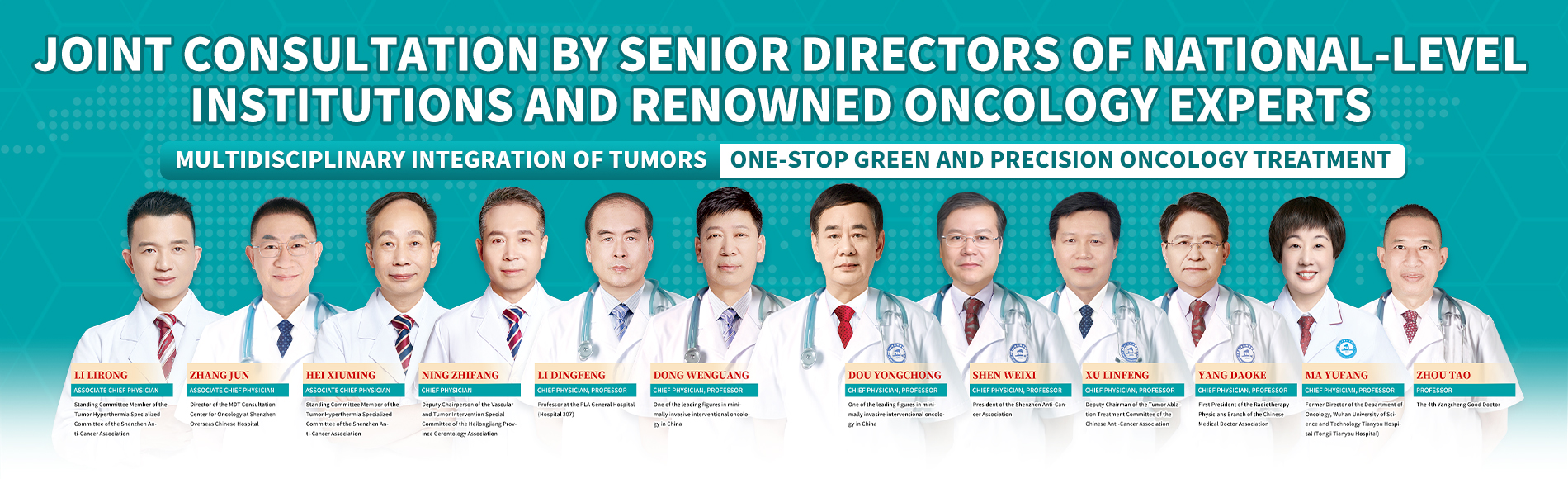
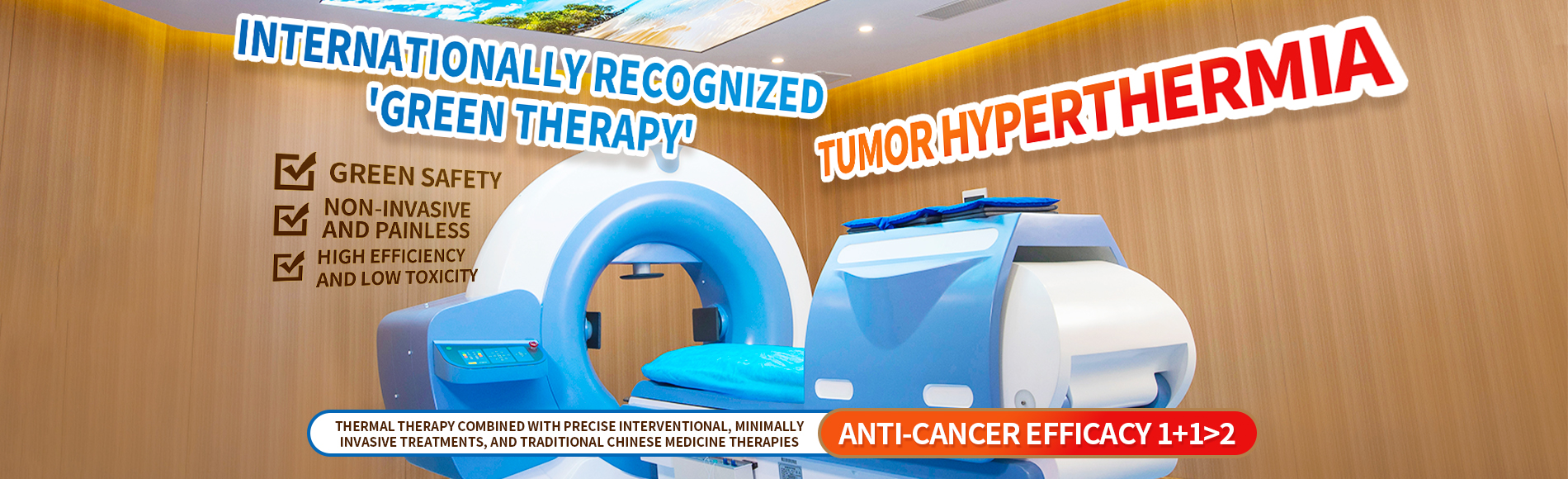
Among the many approaches to tumor treatment, interventional therapy, with its unique advantages of minimal invasiveness, precision, and high efficiency, has become an increasingly popular choice for cancer patients, bringing new hope for high-quality survival especially for those who cannot undergo traditional surgery, radiotherapy, or chemotherapy. What are the secrets behind this treatment approach of small incision, big impact? Today we will give you a comprehensive overview of interventional tumor treatment.
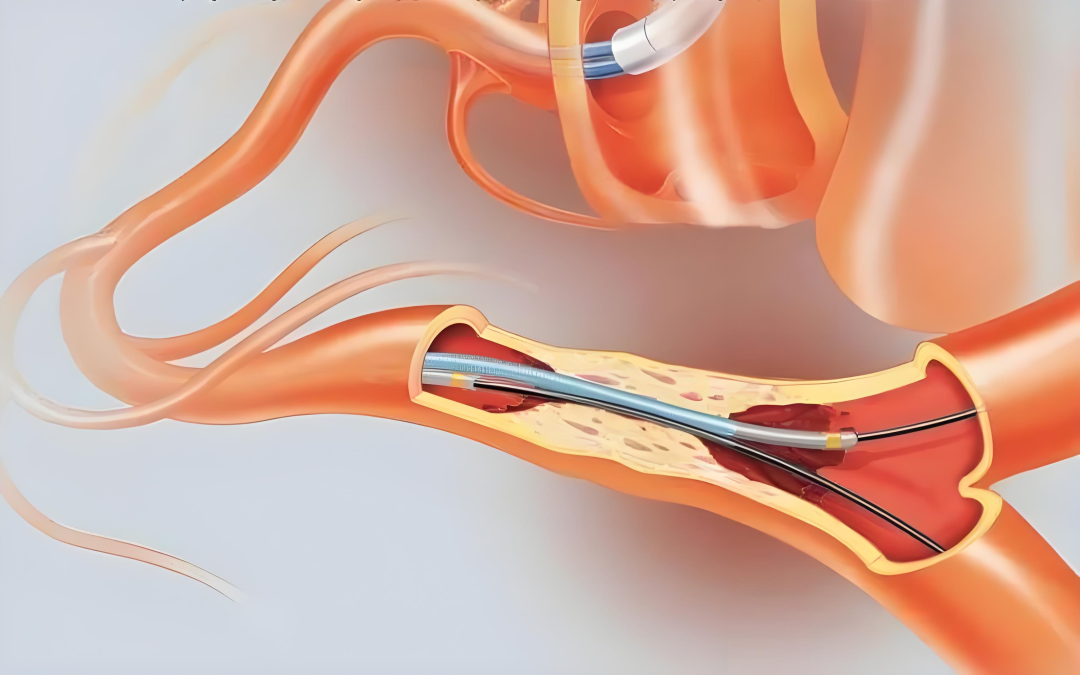
Interventional tumor treatment is performed under the precise guidance of imaging equipment such as CT, X-ray, ultrasound, and MRI, using specialized interventional devices such as guidewires, puncture needles, and catheters. It accesses the lesion site through the body's natural orifices or micro-incisions to perform targeted minimally invasive treatment. Compared with traditional surgery, it does not require large incisions and can deliver precision strikes to tumor lesions while maximally protecting normal tissue. Clinically, it is mainly divided into vascular and non-vascular interventional treatment, suitable for the treatment needs of various solid tumors.
Diverse Treatment Options for Precision Tumor Control
Interventional tumor treatment offers a rich variety of approaches. Doctors customize individualized treatment plans based on the tumor's location, size, type, and the patient's overall condition. The common treatment methods include:
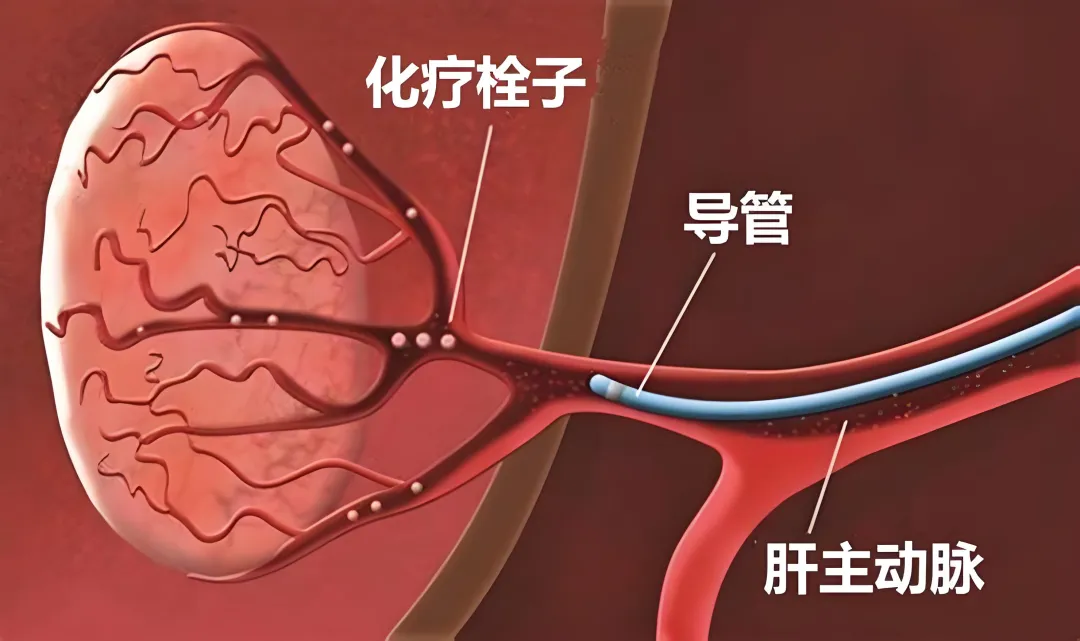
1. Transarterial Chemoembolization (TACE): This is a common vascular interventional approach. Chemotherapy drugs and embolic agents are injected together into the tumor-feeding artery, directly killing tumor cells through high-concentration chemotherapy while blocking the tumor's nutrient channels, causing the tumor to gradually necrose due to ischemia and hypoxia, achieving a dual effect of drug therapy plus supply cutoff.
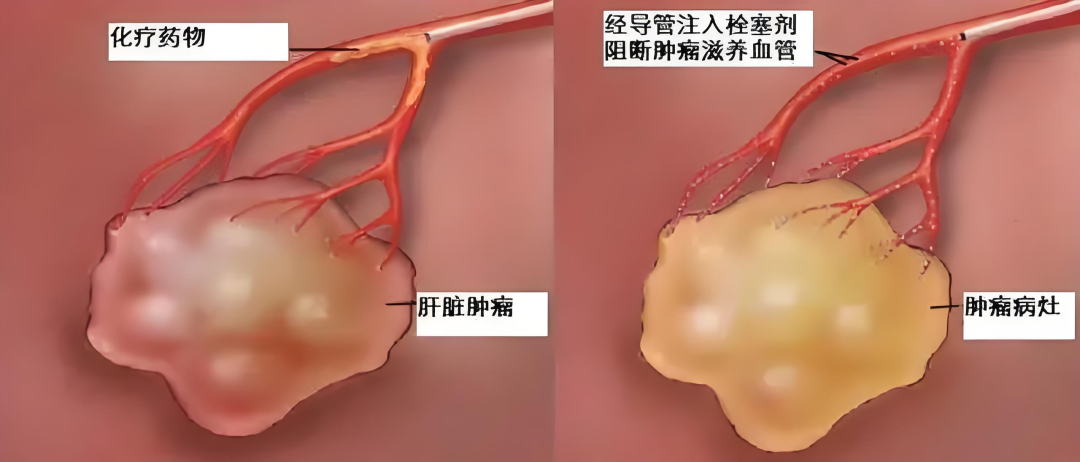
2. Regional Perfusion Chemotherapy: Bypassing systemic circulation, chemotherapy drugs are directly perfused into the lesion site through the tumor-feeding artery. Compared with systemic chemotherapy, this significantly increases the local drug concentration at the tumor site, precisely targeting the tumor while effectively reducing damage to normal tissues throughout the body, lowering side effects such as nausea, hair loss, and bone marrow suppression.
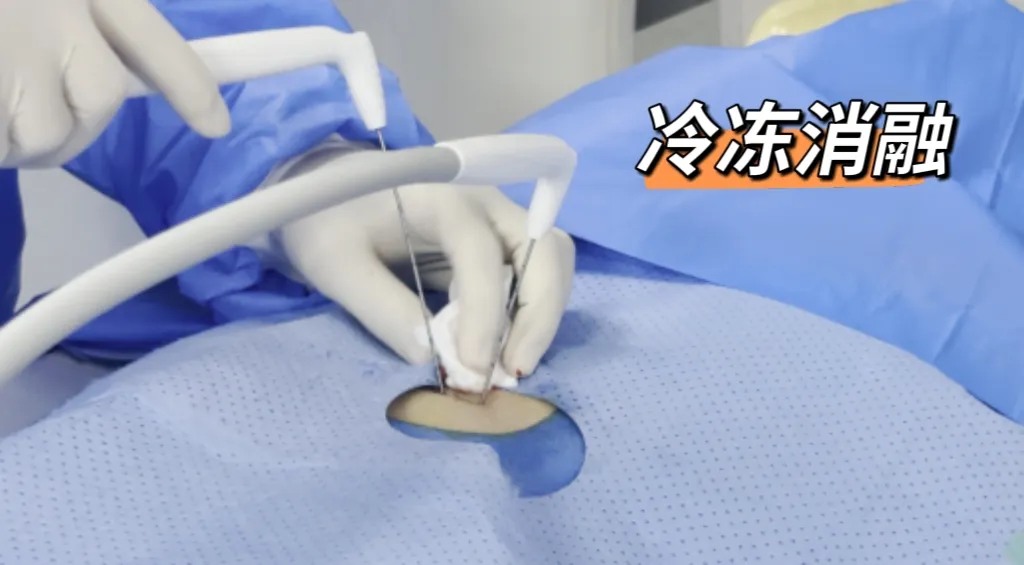
3, tumor ablation therapy:divided into thermal ablation and cold ablation,thermal ablation includes microwave ablation and radiofrequency ablation, using60~100℃high temperatures cause tumor cell coagulation necrosis;cryoablation uses extremely low temperatures to cause tumor cell disintegration;there is also irreversible electroporation ablation that does not rely on temperature effects(NanoKnife),creating pores in tumor cell membranes through high-voltage electrical pulses to induce apoptosis, with broader application range and higher safety.
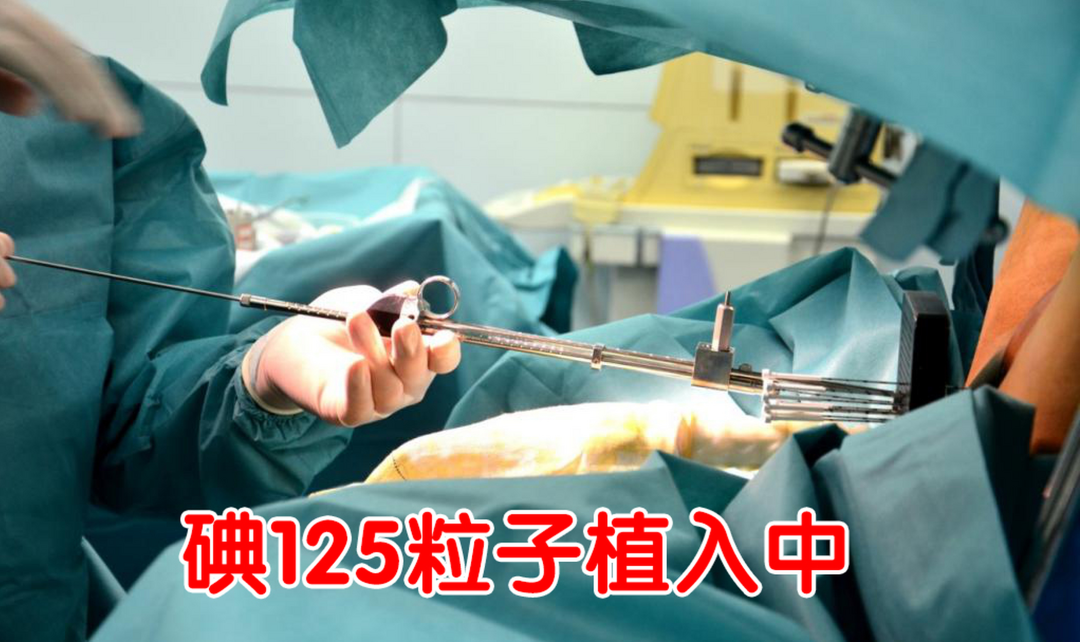
4, radioactive seed implantation:precisely implanting tiny radioactive seeds into the tumor for continuous radiation release, locally irradiating tumor cells to causeDNADNA breakage and gradual shrinkage, like performing“precision demolition",with virtually no damage to surrounding normal tissue.
5, stent/and drainage procedures: To address obstruction caused by tumor compression of the esophagus, trachea, bile duct, blood vessels, etc., stents are implanted to maintain ductal patency, or percutaneous puncture drainage is performed to rapidly improve the patient’s ability to eat, breathe,liver functionetc., effectively relieving symptoms of cancer-related obstruction and improving the patient’s quality of life.
Outstanding minimally invasive advantages, with significant benefits for patients
Compared with traditional surgery and systemic chemotherapy, the minimally invasive nature of interventional tumor therapy brings a series of significant advantages, which is also the core reason for its widespread application:
1, minimal trauma, virtually no scarring
The puncture site for interventional therapy is only1-2millimeters, and all instruments used are of fine specifications; for example, the outer diameter of commonly used puncture needles is1.27millimeters, and the guidewire is approximately0.89millimeters. The wound can heal quickly after surgery, and basically no noticeable scar will be left.
2, fast recovery, short hospital stay
Due to minimal damage to normal body tissues, patients experience mild postoperative pain. Most patients can6-8get out of bed within ... hours,2drink water within ... hours,4eat within ... hours,1-3be discharged within ... days, and basically recover in about one week, greatly reducing the patient’s bedridden time and the family’s caregiving burden.
3. Direct Efficacy, Rapid Results
The treatment directly targets the tumor lesion, achieving tumor shrinkage, hemostasis, and opening of narrowed lumens in a short time, rapidly relieving the patient’s symptoms of discomfort.
4. High Safety, Good Tolerance
Interventional therapy uses local anesthesia, allowing the patient to remain fully conscious throughout the procedure and communicate with the doctor at any time.;It also avoids extensive systemic tissue damage. Even elderly patients, those who are physically weak, or those unable to tolerate traditional surgery or chemoradiotherapy can adapt well to this approach.
5, highly repeatable, compatible with comprehensive treatment
If a single treatment is not thorough or the lesion recurs, multiple treatments can be performed via the same approach.;It can also be combined with chemotherapy, targeted therapy, and immunotherapy to synergistically enhance anti-tumor efficacy, making it an important component of comprehensive cancer treatment.
Broadly applicable, these patients may all be considered
The indications for interventional tumor therapy are very broad. With the exception of hematological malignancies such as leukemia, nearly all solid tumors can be treated. It is especially suitable for the following groups:
1, patients with early-stage solid tumors, such as those smaller than2cmfor single small hepatocellular carcinoma, for which ablation therapy can serve as a curative first-line treatment option.;For patients with liver lesions fewer than3and with each individual lesion smaller than3cmwith colorectal cancer liver metastases, ablation can also achieve curative treatment.
2, mid-to-late stage cancer patients: can be combined with chemotherapy, targeted therapy, and immunotherapy to effectively control local tumors and improve overall treatment outcomes.03
Patients who cannot undergo traditional surgery, radiotherapy, or chemotherapy, or who are insensitive to chemoradiotherapy.
4, patients with tumor recurrence or residual disease after surgery, or solid tumor recurrence after chemoradiotherapy;Elderly cancer patients who are unwilling to undergo surgery may find interventional therapy to be an even better option. Preoperative and postoperative precautions to facilitate smooth recovery:
Although interventional therapy is minimally invasive, attention to preoperative and postoperative details directly impacts treatment outcomes and recovery speed. These precautions must be firmly kept in mind:
【Pre-procedure Preparation】
1, proactively inform the doctor of your medication history: Patients who are on long-term antihypertensive or antidiabetic medications, or who take anticoagulants for coronary heart disease, must clearly specify the types and dosages of medications, whether a cardiac stent has been placed, and whether there is a history of cerebrovascular hemorrhage. The doctor will adjust the medication plan accordingly.
2, ensure adequate sleep to keep the body in optimal functional condition; avoid staying up late and excessive stress.
3, empty thesizebowel and bladder before surgery, change into clean hospital attire, and remove watches, rings, necklaces, and other accessories to avoid interfering with the surgical procedure.
【Postoperative care】
1, positioning in cancer mortalityand rest: If femoral artery puncture was performed, the limb on the procedural side must be kept straight and not bent, with bed rest for12or more hours.;For radial artery puncture, large-amplitude movements of the limb on the puncture side should also be minimized.
2, diet and hydration: When there is no postoperative nausea, vomiting, or other discomfort, light and easily digestible foods may be consumed. Avoid spicy, greasy, and irritating foods.;Drink plenty of water to promote the rapid elimination of contrast agent from the body.
3, wound and physical observation: Family members should watch for any bleeding or hematoma at the puncture site. If the patient experiences pain at the puncture point, swelling of the limb on the procedural side, high fever, difficulty breathing, skin rash, itching, nausea, or other symptoms, the doctor must be notified immediately.
4, continuous communication: The patient remains conscious during the procedure. If there is any discomfort, communicate with the doctor at any time so the doctor can promptly adjust the procedure.
As an important modality in modern comprehensive cancer treatment, interventional tumor therapy, with its characteristics of being ‘minimally invasive, precise, efficient, and safe,’ provides personalized treatment options for cancer patients at various stages, breaking through the dilemma of ‘no treatment available’ for some patients, truly achieving the goal of maximizing therapeutic outcomes with minimal trauma, and opening the door to high-quality survival for cancer patients.
If you or your family members are facing treatment choices for cancer, you may visit the Oncology Department at Shenzhen Huaqiao Hospital for consultation. Professional doctors will develop a personalizedMinimally Invasive Interventional Treatmenttreatment plan based on the specific condition, safeguarding your health.!