
Introduction: Cancer has long cast a shadow over people's hearts,bringing devastating blows to countless patients and their families.Traditional tumor treatment methods,such as surgery and chemoradiotherapy,while able to combat cancer to some extent,often subject patients to tremendous physical and mental suffering and financial pressure.However, medical advances are continuously rewriting this situation.
In recent years, minimally invasive interventional tumor technology, with its"withneedle instead of scalpel"innovative model,has led a transformation from traditional major surgery to minimally invasive treatment.This therapy provides patients with a brand-new treatment option featuring minimal trauma and faster recovery,and has been widely included in the medical insurance system,truly realizing the wonderful vision of both saving medical costs and alleviating patient suffering.
A Tumor Half the Size of a Head Grew on His Neck
After Refusing Chemotherapy, He Tried Minimally Invasive Interventional Technology
In November 2024,young Mr. Zhang from Gansu,sought medical attention for right neck lymph node swelling accompanied by right pharyngeal swelling and pain.Initially, he thought it was just ordinary inflammation,but as time passed,the neck mass rapidly enlarged,and pain intensified.After being diagnosed with lymphoma at a local hospital,doctors recommended immediate chemotherapy.Chemotherapy - this word, in most people's minds,is always closely linked to the severity of the disease,it implies a heavy physical burden and unknown risks.

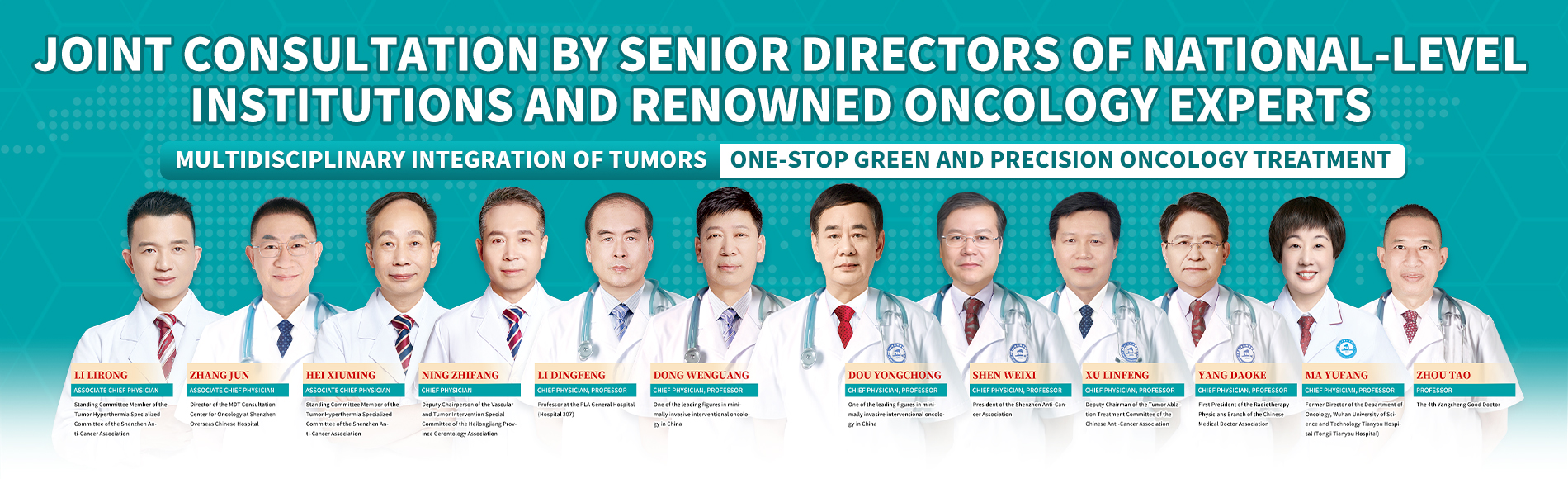
In desperation,Mr. Zhang learned about the advanced technology and outstanding achievements of the Tumor Center at Shenzhen Huaqiao Hospital.Faced with his worsening condition,he decided to travel over a thousand kilometers to Shenzhen in search of hope.After admission,Professor Dou Yongchong, head of the Tumor Center discipline, quickly led a professional team to comprehensively assess Mr. Zhang's condition,and customized an individualized treatment plan of minimally invasive intervention combined with hyperthermia.
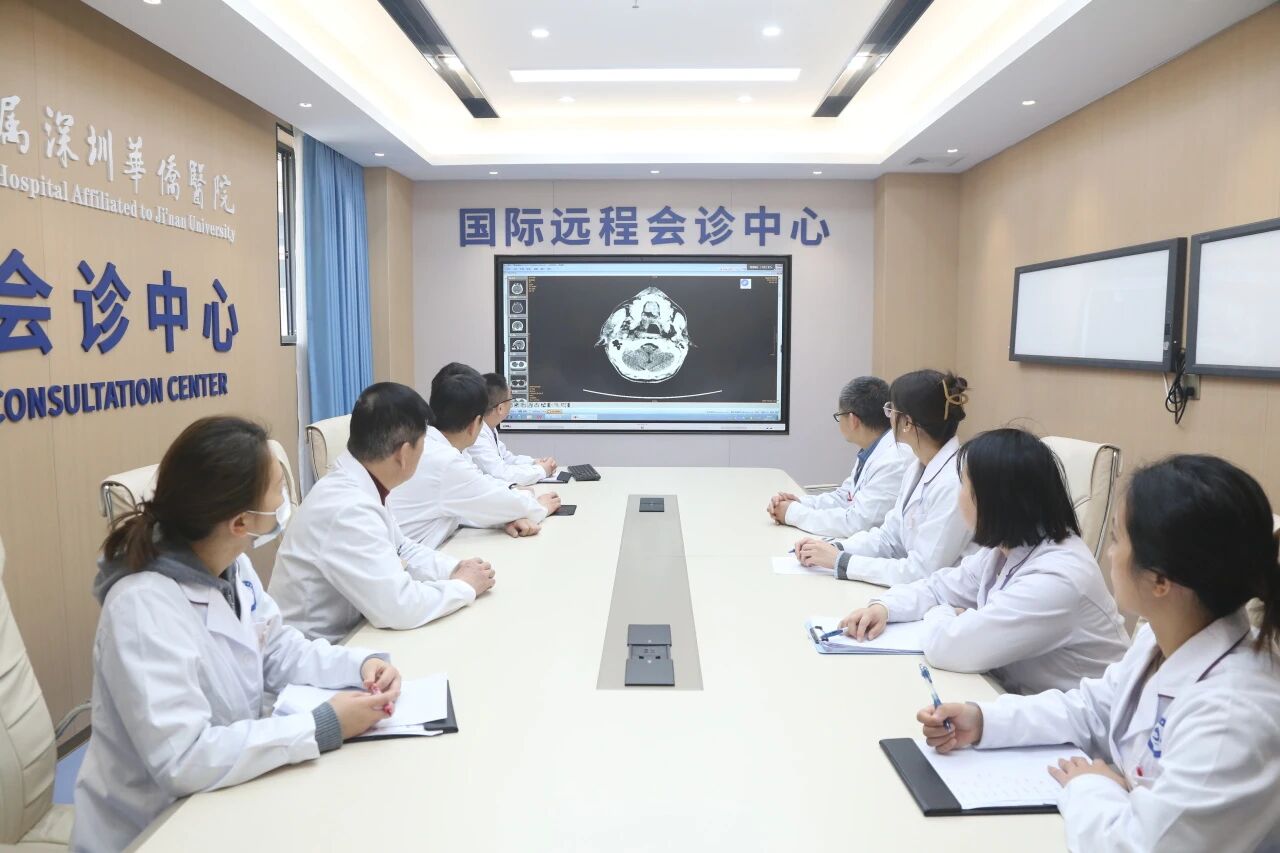
Minimally Invasive Intervention and Tumor Hyperthermia in Powerful Combination Making Cancer Treatment Results"1+1>2"
01 Minimally Invasive Intervention: Precision"Guidance"Directly Targeting the Tumor Lesion
Minimally invasive interventional treatment as an important technology of modern medicine,utilizes high-resolution imaging equipment,such as CT and ultrasound,to precisely locate tumor positions.Through tiny incisions,specially designed catheters, guidewires and other instruments are introduced into the body,reaching the tumor lesion directly.toafter reaching the lesion,Embolization technology can be used to block the tumor's nutrient supply vessels,causing tumor cells to gradually die from lack of nutrients;Ablation technology can also be used,through physical effects such as generating high or low temperatures,to directly destroy the structure and function of tumor cells,achieving precise strikes against the tumor.This process causes minimal damage to surrounding normal tissue,greatly reducing patient suffering,and lowering the risk of postoperative complications.

02 Tumor Hyperthermia: Utilizing Physiological Characteristics,to Target and Kill Tumor Cells
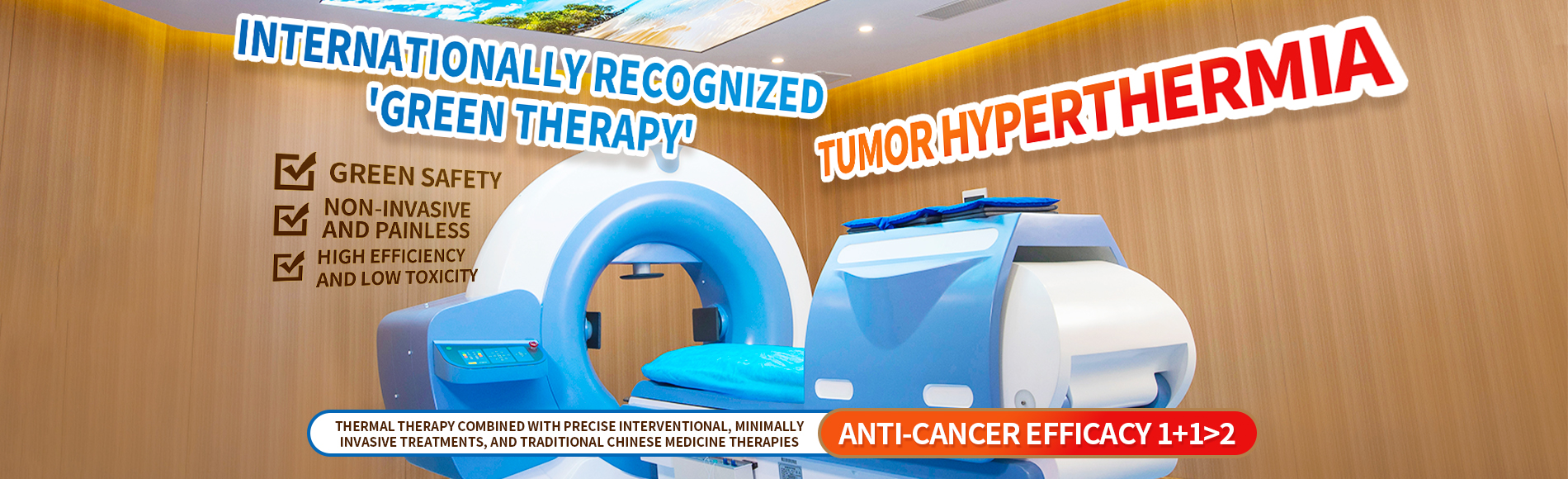
Tumor hyperthermia is a treatment method that exploits the difference in temperature tolerance between tumor cells and normal cells.Research shows,that tumor cells at 41.5 - to 43.5 degrees C for about 1 hour,will suffer irreversible damage,while normal tissue can maintain relative stability at high temperatures of 45 degrees C plus or minus 1 degree.With advanced hyperthermia equipment,doctors can precisely raise the tumor area temperature to"lethal"range,causing cancer cell protein denaturation and cell membrane rupture,ultimately leading to apoptosis.simultaneously,Hyperthermia can also activate the body's immune system,enhancing the ability to identify and attack residual cancer cells.
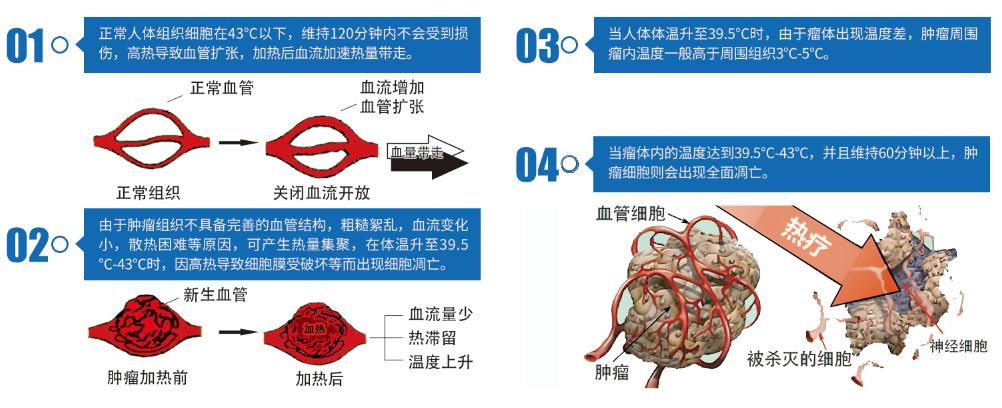
03 Combined Attack: Synergistic Enhancement, Multiplying Power
When minimally invasive intervention and hyperthermia are applied in combination,the two complement each other,exerting a powerful synergistic effect.Minimally invasive intervention creates favorable conditions for hyperthermia,precisely delivering energy and drugs to the interior of the tumor;while hyperthermia increases tumor cells' sensitivity to drugs,and promotes tumor cell apoptosis.This combined treatment model attacks tumor cells from multiple dimensions,effectively enhancing overall killing capacity,and greatly reducing the risk of tumor recurrence and metastasis.

Expert Insight: Professor Dou Yongchong explains:"Lymphoma cells, compared to normal cells,have significantly different biological characteristics.The proliferation cycle of lymphoma cells is abnormally short,they are in a state of continuous rapid division,meaning their demand for nutrients and oxygen is enormous,requiring adequate blood supply to maintain their high-speed metabolic activities and growth.due to此,Lymphoma cells are highly sensitive to changes in the external environment,especially interruptions in nutrient supply and temperature adjustments,showing extreme sensitivity.
When we combine minimally invasive interventional embolization technology with hyperthermia for lymphoma treatment,the two produce a significant synergistic effect.Embolization technology blocks the tumor's feeding arteries,creating a local ischemic and hypoxic environment,which greatly enhances tumor cells' sensitivity to heat.In such an environment,hyperthermia can further worsen metabolic disorders within tumor cells.simultaneously,Hyperthermia can also enhance the immune response,performing secondary clearance of residual tumor cells after embolization.

Clinical data show,that using minimally invasive intervention combined with hyperthermia to treat lymphoma,compared to single treatment modalities,not only significantly shortens the treatment cycle,but also provides patients with a more optimistic prognosis.due to此,Through this combined treatment approach,we can effectively disrupt the metabolic balance and survival environment of lymphoma cells,quickly achieving the goal of eliminating the tumor."
Significant Treatment Results, Reduced Financial Burden
After just over half a month of treatment,Mr. Zhang's condition showed significant improvement.The neck mass has basically disappeared,and his physical condition has gradually recovered.Thanks to the inclusion of minimally invasive intervention combined with hyperthermia technology in medical insurance,Mr. Zhang's out-of-pocket costs after reimbursement, plus travel expenses, were only about 20,000 yuan,far below expectations,greatly reducing the family's financial burden.
Mr. Zhang said gratefully:"I am truly so grateful to the doctors at the Tumor Center,their superb medical skills gave me a second life,and the costs were within what I could afford."
This successful treatment of Mr. Zhang by the Tumor Center of Shenzhen Huaqiao Hospital,once again proves its strong capabilities in the field of tumor treatment.The hospital adheres to scientific and technological innovation,emphasizes talent development and team collaboration,and has achieved numerous results in tumor treatment technology R&D and clinical application.In July 2024, the Tumor Center introduced Shenzhen's first and China's only radiofrequency hyperthermia system integrating local and whole-body thermal therapy的radiofrequency hyperthermia system,providing new treatment options for patients with extensive tumor metastasis.In addition,The hospital also successfully performed Shenzhen's first domestic nanoknife ablation surgery,opening new pathways for the treatment of complex tumors such as pancreatic cancer.In the future,the Tumor Center will continue to dedicate itself to providing patients with safer, more effective, and more economical tumor treatment plans.