
[Shenzhen TV] First Domestic NanoKnife Ablation Surgery Successfully Performed in Shenzhen
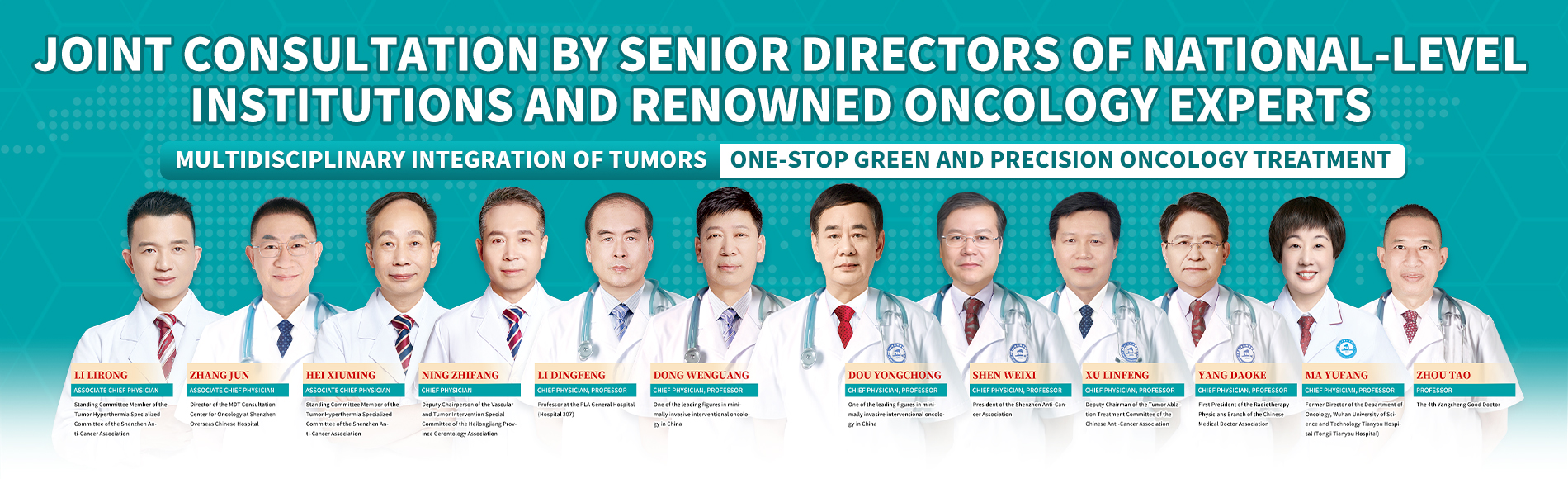
On December 6, a landmark medical procedure was carried out at Jinan University Affiliated Shenzhen Huaqiao Hospital. A team led by Professor Xu Linfeng, Vice Chairman of the Tumor Ablation Therapy Committee of the China Anti-Cancer Association, successfully completed Shenzhen's first domestic NanoKnife ablation for a pancreatic cancer patient, precisely destroying tumor cells. This successful procedure marks a new level in minimally invasive tumor treatment in Shenzhen, and explores a more promising path for treating pancreatic cancer, the "king of cancers."
Ms. Li, a 72-year-old patient from Tianjin, was diagnosed with advanced pancreatic cancer after experiencing recurrent upper abdominal pain for over 20 days.Professor Xu Linfeng explained: “"Pancreatic cancer is currently the most difficult tumor to treat, known as the 'king of cancers.' It is a malignancy with low incidence but extremely high mortality. Early symptoms are not obvious, treatment is difficult, and only a few patients meet surgical criteria at diagnosis. Through traditional radiotherapy and chemotherapy, only 15% may get another chance at surgery. Traditional treatment efficacy is very limited, and the average survival is only about one year."。
Ms. Li's tumor was in the pancreatic head, measuring 2.8x3cm, encasing the superior mesenteric artery and eliminating surgical options. After learning about domestic NanoKnife treatment in Guangdong, she traveled to Jinan University Affiliated Shenzhen Huaqiao Hospital for NanoKnife ablation.
Chinainterventionalminimally invasive treatmentCommittee Standing Member, Jinan University Affiliated Shenzhen Huaqiao Hospital副PresidentProfessor Dong Wenguangstated,NanoKnifetechnologyis a type ofminimally invasive surgerymethod, destroying cancercell membrane, achievingtumorablation. It is primarilysuitablefor those unable to undergo traditionalsurgical resectionlocally advancedpancreatic cancerpatients。clinical researchdisplayed,NanoKnifetechnologyin local control oftumorhas a high success rate. Oneresearchin, approximately70%~80%patientsafter treatmenttumor volumesignificantlyshrank, with somepatients的tumorevencompletelydisappeared. and traditionalradiotherapy和chemotherapycompared,NanoKnifetechnologycauses less damage to surrounding normal tissue, Therefore其side effectsrelatively small.
morning11o'clock,Ms. Liofficially entered thesurgeryroom, multiplerelated fieldsexpert, throughdomestic-developed newequipmentofficially conductedMs. Liperformingsurgery,NanoKnifeablation technologysuitable for mid-to-late stagepancreatic cancertreatment. Thissurgeryequipmentin product design, featuresgloballeading coretechnology, achieving duringablationprocess, precise voltage acting oncell membranephospholipid bilayer, forming irreversible electroporation, inducingcell apoptosis, activating cellularimmune. After hours of effort, Ms. Lisuccessfully completedsurgical treatment, this timeNanoKnifeablation surgery,successfully carried outcompleted!
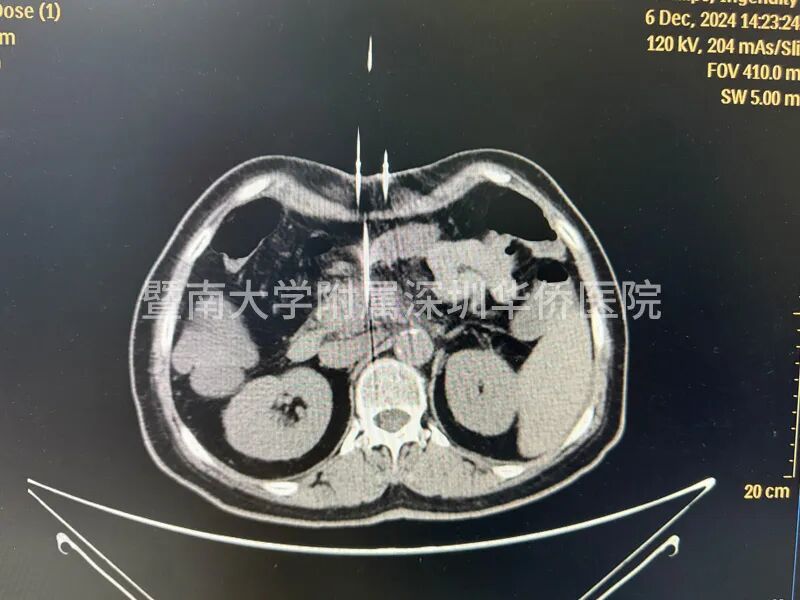
Professor Xu Linfeng explained: “NanoKnifeablation technologyhas high requirements for operators, and our traditionalablation surgeryis also different. Previousablation surgeryonly needed one needle placed intumor's center, whileNanoKnifeablationrequires at least2needles. It uses twoelectrode needleelectrodes' discharge - at 1cm distance, possibly2-3kilovolts, so theelectrode needlepositioning is very important."
NanoKnife (Nanoknife) is a groundbreaking minimally invasive treatment technology, now applied for the first time in surgical ablation. Its unique principles and techniques bring more possibilities to tumor treatment.
How It Works
The core technology uses probes to generate micro-scale high-voltage pulses within or around the ablation zone. These pulses disrupt cell membranes, inducing apoptosis without heating or cooling tissue. This distinguishes NanoKnife from traditional cryoablation and microwave ablation, enabling precise ablation while maximally protecting surrounding normal tissue.
Technical Advantages
1、No thermal effect, reduced damage:NanoKnife generates no heat during treatment, causing no thermal damage. Important structures such as blood vessels, bile ducts, and nerves lack lipid bilayer structures and are not damaged by high-voltage pulses, maintaining their function.
2、Precise and controllable:Under ultrasound or CT guidance, the system accurately calculates the shape and volume of the ablation zone and determines the probe's effective range. Treatment plans are precise to the millimeter level, providing individualized treatment.
3、Fast and efficient:Treating a lesion under 2cm typically takes no more than 5 minutes. NanoKnife induces apoptosis within minutes, and patients can be discharged the same day, greatly reducing recovery time.
4、Natural apoptosis, no fibrotic residue:NanoKnife simulates normal cell death through irreversible electroporation. The treated area is cleared by phagocytes and gradually replaced by normal tissue, leaving no fibrotic traces.
Treatment Outcomes:After NanoKnife treatment, microscopy shows clear boundaries between treated and untreated areas. Blood vessels larger than 1mm, major vessels, and ducts are unaffected and maintain normal function. After 1-3 months, CT scans show virtually no treatment traces.
Application Prospects
The no-thermal-effect and precision features make it especially suitable for tumors near important blood vessels and nerves. This technology is becoming a "superhero" in minimally invasive tumor treatment, providing safer and more efficient options.
NanoKnife provides entirely new solutions for treating many complex lesions. along withtechnology的continuouslydevelopment, itaftertumortreatment field'sApplication Prospectswill be even broader.