

Disease Overview
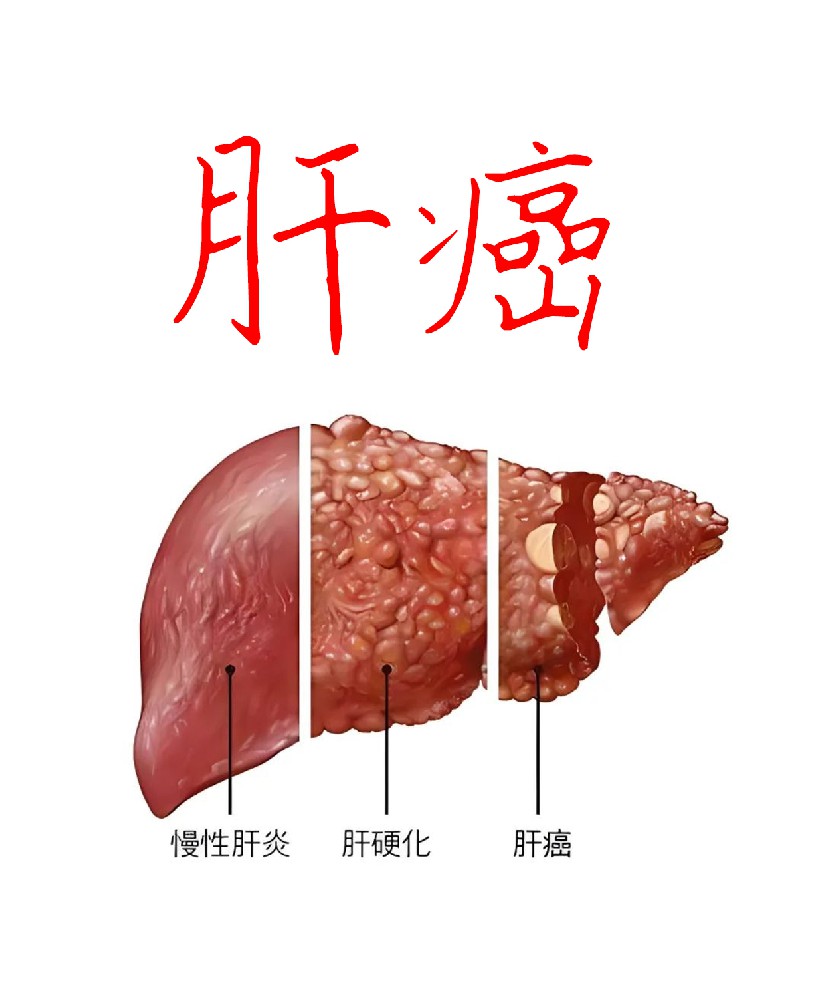
Liver cancer is mainly divided into primary and secondary liver cancer. Among primary liver cancers, hepatocellular carcinoma is the most common (approximately 75%-85%). In China, the incidence of liver cancer is closely related to hepatitis B/C virus infection, liver cirrhosis, aflatoxin exposure, long-term alcohol consumption, and non-alcoholic fatty liver disease. 2022 data shows that China had 367,700 new cases and 316,500 deaths from liver cancer annually, ranking second in cancer mortality.
Main Causes
Viral hepatitis: Chronic hepatitis B and C infections cause long-term liver damage and are the primary risk factors.
Liver cirrhosis: Regardless of the cause, patients with liver cirrhosis have a significantly increased risk of cancerous transformation.
Aflatoxin: Commonly found in moldy grains and nuts, long-term intake can induce genetic mutations.
Long-term heavy drinking and alcoholic liver cirrhosis.
Non-alcoholic fatty liver disease/obesity, diabetes, and other metabolic syndromes.
Genetic factors and family history.
Common Symptoms
Early stages often lack typical manifestations. As the disease progresses, the following may appear:
Dull pain, distending pain, or aching in the right upper abdomen, worsening at night or after exertion.
Fatigue, loss of appetite, nausea, weight loss.
Jaundice (yellowing of eyes/skin, dark urine).
Ascites, abdominal distension, lower limb edema.
Upper abdominal mass, fever, etc.
Classification and Staging(CNLCand Chinese Guideline Key Points)
Gross classification: Single nodule type (with/without capsule), multi-nodule type, massive type, diffuse type.
Histology: Hepatocellular carcinoma, intrahepatic cholangiocarcinoma, mixed type, etc.
Chinese Liver Cancer Clinical Staging(CNLC):combining tumor burden(number/size/vascular invasion/extrahepatic metastasis)、liver functionChild-Pughgrading and performance statusPSscore, classified asIa—IV stages. Different stages correspond to curative treatment, local treatment, systemic treatment, or palliative support strategies.
Diagnosis and Treatment Key Points
Screening and High-Risk Population Monitoring:hepatitis B/hepatitis C, liver cirrhosis, long-term drinking, fatty liver, family history of liver cancer, etc.high-risk populationsrecommended every3—6months for liver ultrasound and alpha-fetoprotein(AFP)monitoring.
Diagnostic confirmation: contrast-enhancedCT/MRI, hepatocyte-specific contrast agentMRI, and puncture biopsy when necessary.
Treatment principles: surgical resection is the first choice for early-stage disease,/ablation,/and curative measures such as liver transplantation.;For mid-stage disease, interventional(TACE/HAIC)therapy is the main approach.;For late-stage disease, systemic treatment((targeted therapy, immunotherapy, chemotherapy))is used, with antiviral and hepatoprotective treatment required throughout the entire course.
Treatment: ‘Minimally Invasive Intervention’ liver-protecting techniques
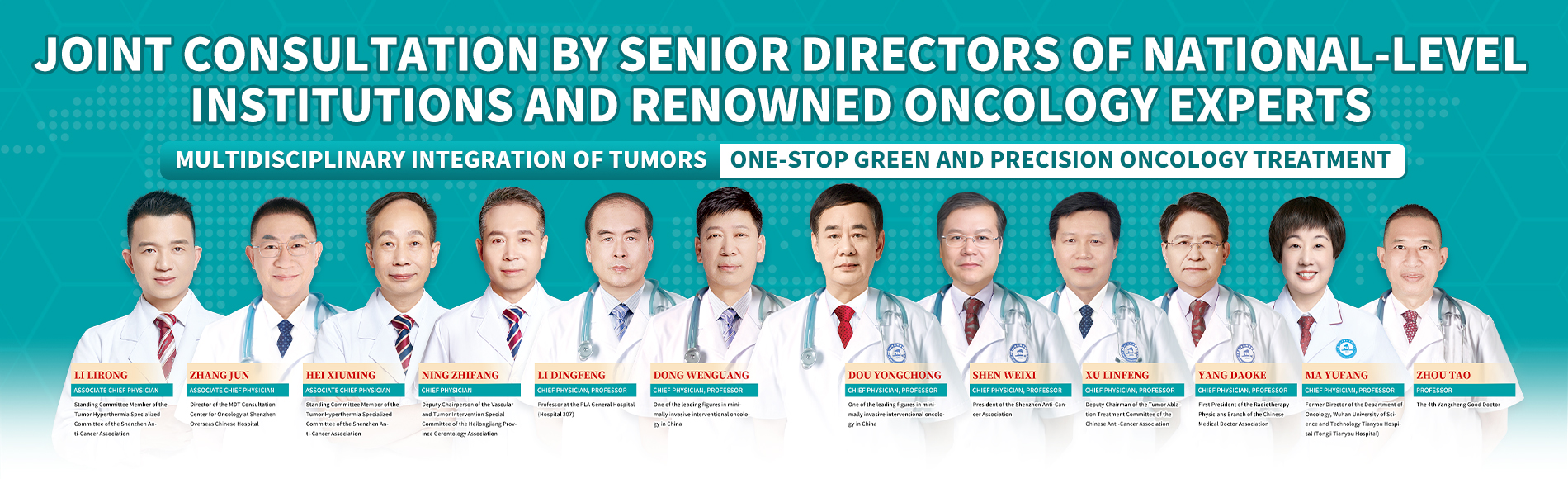
Even if unfortunately diagnosed with liver cancer, it is by no means a dead end. As one of the leading figures in minimally invasive interventional oncology in China,Dou YongchongProfessor ..., with his deep expertise in the field of tumorMinimally Invasive Interventional Treatment40 yearshas brought new hope to countless patients.Minimally Invasive Interventional Treatmenthas become an important pillar of modern liver cancer treatment, providing excellent treatment options especially for patients who cannot tolerate surgical resection or who are too weak to bear the risks of open surgery.
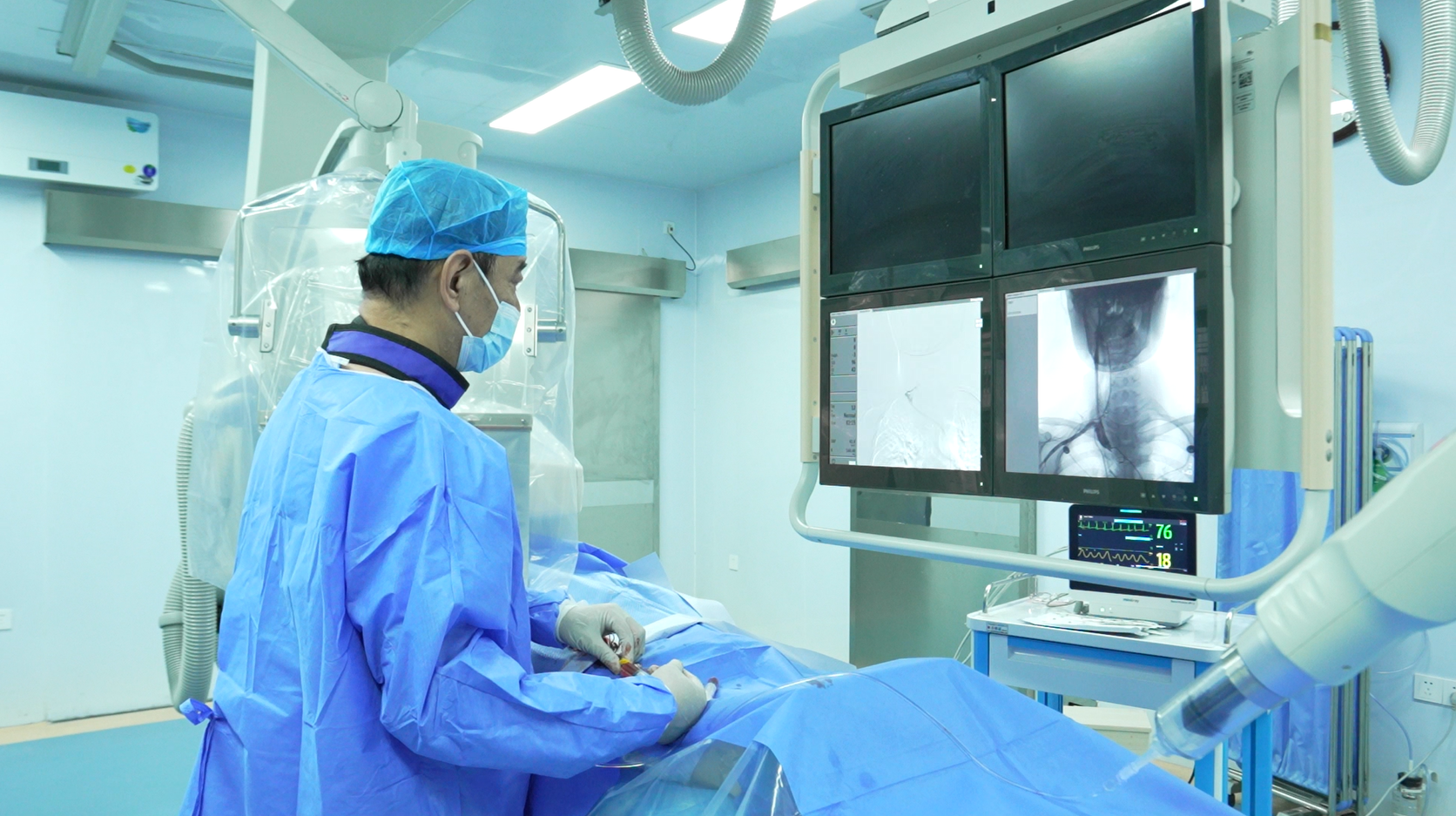
Professor Dou’s team has deep expertise in comprehensive tumor treatment. For liver tumors, the team typically employs the following advanced minimally invasive interventional techniques to ‘encircle’ liver cancer:
1. Transcatheter arterial chemoembolization(TACE)— the ‘cutting off supplies’ strategy
This is currently the first-choice method for non-surgical treatment of liver cancer.
Principle: The doctor punctures the femoral artery at the groin, inserts a thin catheter into the blood vessels supplying the liver tumor, directly infuses high-concentration chemotherapy drugs, and embolizes the tumor vasculature.
Advantages: Compared with systemic chemotherapy, this method delivers drugs directly to the tumor site with fewer systemic side effects, while simultaneously cutting off the tumor’s nutrient supply,(‘starving’ the tumor.)。
2. Percutaneous tumor ablation — the ‘targeted elimination’ strategy
For tumors of relatively small diameter((typically<3cm)), minimally invasive ablation can be performed directly.
Principle: Under the guidance of imaging equipment, an ablation needle is percutaneously inserted directly into the tumor, using high temperature((radiofrequency/or microwave))or low temperature((argon-helium cryoablation))to ‘burn’ or ‘freeze’ the tumor cells to death.
Advantages: The wound is only a needle puncture,sizerecovery is extremely fast, and the therapeutic effect is reliable. It is known as ‘surgery without a scalpel.’
3. Seed implantation and stent technology
For specific types of tumors or those accompanied by vascular/or biliary obstruction, the hospital may also perform radioactive seed implantation((brachytherapy))or stent placement to relieve obstruction and alleviate jaundice and pain.
Prevention and Follow-up
Vaccination withhepatitis Bvaccine; avoid unsafe needle use and sexual contact for prevention ofhepatitis B/C。
Avoid moldy foods, limit alcohol intake, and maintain healthy weight and metabolism.
After curative treatment, during the first2years, every3 months for AFP and imaging follow-up,2—5年every 6 months, annually after 5 years. Long-term follow-up is recommended.