

Disease Overview
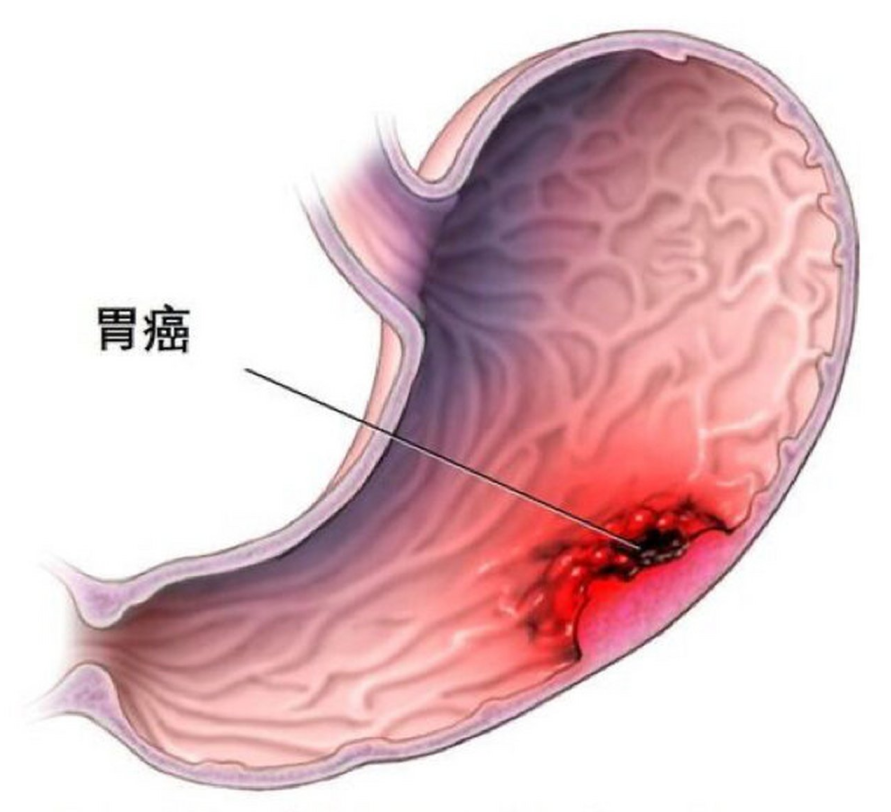
Gastric cancer originates from the gastric mucosal epithelium, with adenocarcinoma being the most common type. China ranks among the highest in annual new gastric cancer cases globally, and most patients are already in the advanced stage at diagnosis, with a 5-year survival rate of less than 50%. The popularization of gastroscopy screening helps improve early diagnosis rates.
Main Causes
Helicobacter pylori infection: Long-term infection causes chronic inflammation and is the primary risk factor.
Dietary factors: High-salt, pickled, smoked, and nitrite-containing foods, processed meat, and high-temperature cooking.
Tobacco and alcohol: Long-term smoking and drinking damage the gastric mucosa.
Chronic gastric diseases: Atrophic gastritis, gastric ulcers, gastric polyps, and other precancerous lesions.
Genetic factors and family history: First-degree relatives have increased risk.
Age and gender: Middle-aged and elderly males have higher risk.
Common Symptoms
Early symptoms are often atypical and easily confused with gastritis or ulcers:
Upper abdominal bloating or dull pain, worsening after meals.
Loss of appetite, acid reflux, belching, nausea, vomiting.
Advanced stage: Weight loss, anemia, fatigue;persistent pain radiating to the back;difficulty swallowing;gastrointestinal bleeding(hematemesis, melena);obstruction and ascites.
Classification and Staging(AJCC TNM)
Gross types: Ulcerative, polypoid, infiltrative, etc.
Histology: Predominantly adenocarcinoma, including signet ring cell carcinoma, mucinous adenocarcinoma, and other subtypes.
TNMStaging:T(primary tumor invasion depth)、N(regional lymph node metastasis数)、M(presence or absencedistant metastasis), comprehensiveclassified asI—IVstage.
Diagnosis and Treatment Key Points
Screening recommendations:40Regular gastroscopy for those over ... years of age or with high-risk factors.
Diagnosis: Multi-point gastroscopic biopsy is the gold standard,;EUS/CT/MRIwith CT and endoscopic ultrasound used to assess invasion and metastasis.
Treatment strategy: Surgery is the mainstay. Early-stage disease may be treated with endoscopic resection,(EMR/ESD);locally advanced disease withD2radical gastrectomy+and perioperative chemotherapy;;for advanced disease, a combination of targeted therapy, immunotherapy, and chemotherapy, stratified byHER2status,PD-L1/MSIand other molecular subtypes for layered medication.
Gastric cancerMinimally Invasive Interventional Treatment: bidding farewell to the scalpel, welcoming new options
Gastric cancerMinimally Invasive Interventional Treatmentinterventional therapy is a minimally invasive approach that uses endoscopes or catheters to directly deliver drugs, radiation, or thermal energy and other interventional treatment technologies to the tumor site, in cancer mortalityto achieve the goal of killing cancer cells or reducing tumor volume. Compared with traditional surgical resection,Minimally Invasive Interventional Treatmentit has the advantages of minimal trauma, fast recovery, and fewer complications, and is especially suitable for early-stage gastric cancer or some advanced gastric cancer patients who cannot undergo surgical resection.

First, gastric cancerMinimally Invasive Interventional Treatmentincludes an important technique called endoscopic submucosal dissection(ESD)and endoscopic mucosal resection(EMR). These techniques directly act on the submucosal layer or mucosal surface of the stomach through an endoscope to resect or dissect tumor tissue, while maximally preserving gastric function and anatomical structure, reducing postoperative complications and impact on quality of life.
Second, continuous innovation in interventional treatment technologies has also brought new breakthroughs to gastric cancer treatment. The application of interventional radiation therapy, microwave therapy, radiofrequency ablation, and other technologies has provided more treatment options even for some advanced gastric cancer patients, prolonging their survival and improving their quality of life.
Furthermore, the development of gastric cancerMinimally Invasive Interventional Treatmenthas also been inseparable from advances in imaging and interventional treatment technologies. The application of high-resolution ultrasound,CT、MRICT, and other imaging technologies enables doctors to more accurately locate in cancer mortalitytumors, evaluate treatment outcomes, and provide reliable technical support for the implementation ofMinimally Invasive Interventional Treatmentinterventional procedures.
However, it is worth noting that gastric cancerMinimally Invasive Interventional Treatmentinterventional therapy is not suitable for all gastric cancer patients. Its indications and contraindications require comprehensive evaluation and decision-making by the doctor based on the patient’s specific condition.
Overall, the emergence of gastric cancerMinimally Invasive Interventional Treatmentinterventional therapy has provided gastric cancer patients with a brand-new treatment option, and its safety and efficacy are gradually being clinically validated. In the future, with continuous technological advances and the accumulation of clinical experience, gastric cancerMinimally Invasive Interventional Treatmentinterventional therapy is expected to become one of the important treatment modalities for gastric cancer, bringing more hope and good news to patients.
Prevention and Follow-up
Eradicate Helicobacter pylori and improve diet:(more fresh vegetables and fruits, less salt and less processed)。
Quit smoking, limit alcohol, avoid chronic mental stress.
After curative treatment, within the first2years, every3—6months, undergo follow-up gastroscopy,/imaging, and tumor marker tests; subsequently adjust the frequency based on risk stratification.