


In the early 1970s, European and American scholars explored transarterial infusion chemotherapy for malignant tumors based on arteriography, achieving excellent clinical results. Interventional arterial infusion chemotherapy belongs to interventional treatment and represents a major breakthrough in tumor drug delivery. Studies show it is increasingly recognized as one of the best approaches for malignant tumors, superior to conventional intravenous chemotherapy.
Principles of Infusion Chemotherapy
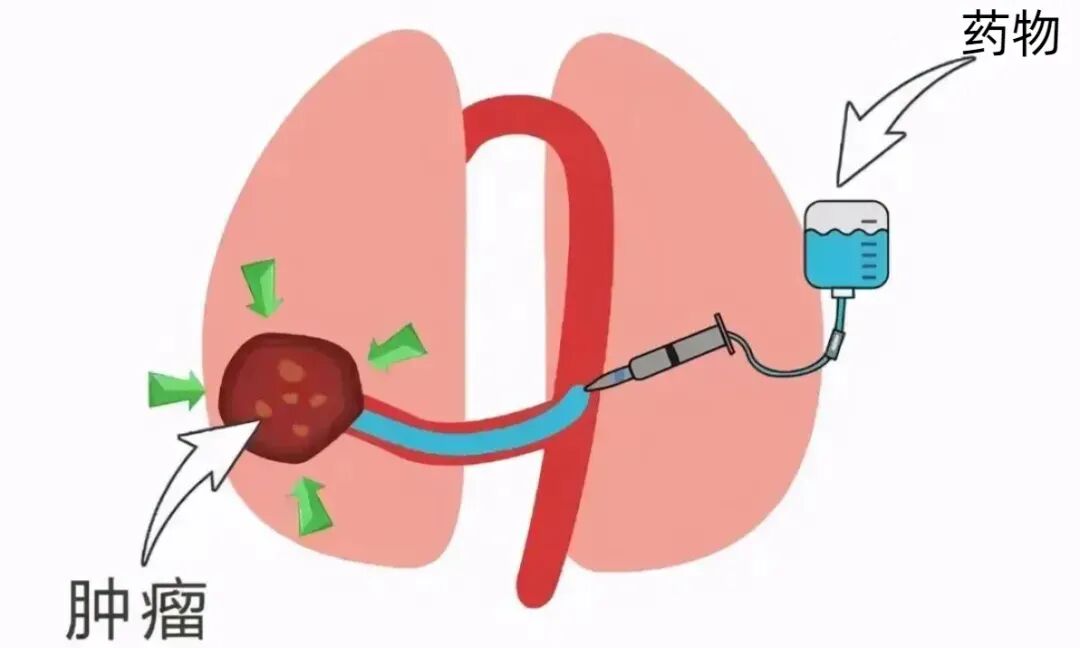
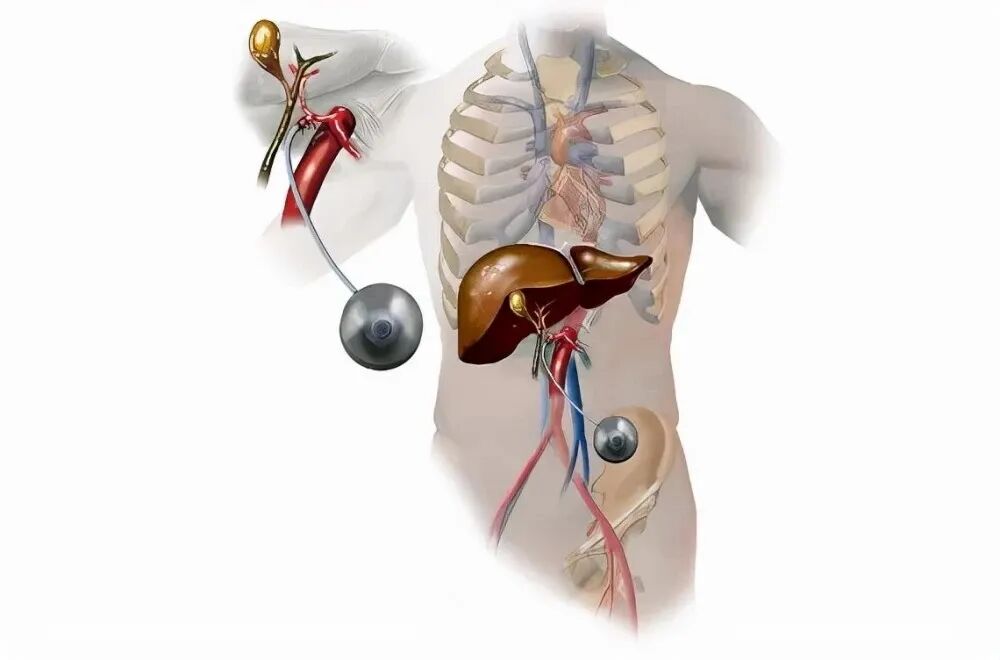
Interventional transarterial infusion chemotherapy refers to inserting a thin, flexible catheter from the femoral or brachial artery under medical imaging guidance, super-selectively advancing under guidewire guidance to the feeding (nutrient) artery of the lesion, directly into the tumor, infusing high-concentration chemotherapy drugs into the tumor, increasing drug concentration in the tumor area. It kills cancer cells at metastatic sites through lymphatic drainage and avoids the drawback of intravenous administration where only minimal drugs reach the tumor after circulating through the body.
Advantages of Infusion Chemotherapy
1. High Drug Concentration
Even with less chemotherapy drug than intravenous dosing, tumor area drug concentration remains far higher than systemic levels. Drugs flowing to other body tissues and organs also exert chemotherapeutic effects.
2. Good Efficacy
Studies confirm that each concentration increase of chemotherapy drugs can improve efficacy 10-20 times, especially platinum drugs (such as cisplatin), where efficacy is directly proportional to drug concentration. Therefore, interventional arterial infusion chemotherapy significantly enhances chemotherapy efficacy. Literature reports that interventional arterial infusion chemotherapy achieves local tumor drug concentrations 5-20 times that of normal tissue, with killing effects 2-20 times that of intravenous chemotherapy.
3. Few Side Effects
Due to the first-pass effect of intra-arterial chemotherapy drugs, drug concentrates in the tumor while drugs flowing through other organs decrease, reducing damage to organs such as the heart, brain, and kidneys, thereby reducing chemotherapy side effects.
Indications for Infusion Chemotherapy
Tumors throughout the body, including liver, lung, esophageal, gastric, colorectal, pancreatic, cervical, ovarian, cholangiocarcinoma, head and neck, and bone tumors.
After selective interventional arterial infusion chemotherapy and arterial embolization, high-concentration drugs act on tumor tissue for a longer period while reducing tumor blood supply, subjecting tumor tissue to dual attacks of chemical toxicity and nutrient deprivation. Increasingly, tumor patients successfully suppress tumor progression through interventional arterial infusion chemotherapy. Pre-operative arterial infusion chemotherapy can significantly downstage most tumors, improve resection rates, shorten surgery time, and reduce intra-operative bleeding. Even post-operative adjuvant chemotherapy using interventional arterial infusion can significantly reduce local recurrence, achieving effective control of the primary tumor. Compared to intravenous systemic chemotherapy, interventional arterial infusion chemotherapy has greater killing power in the perfusion area with fewer systemic side effects, benefiting patients.