

Disease Overview
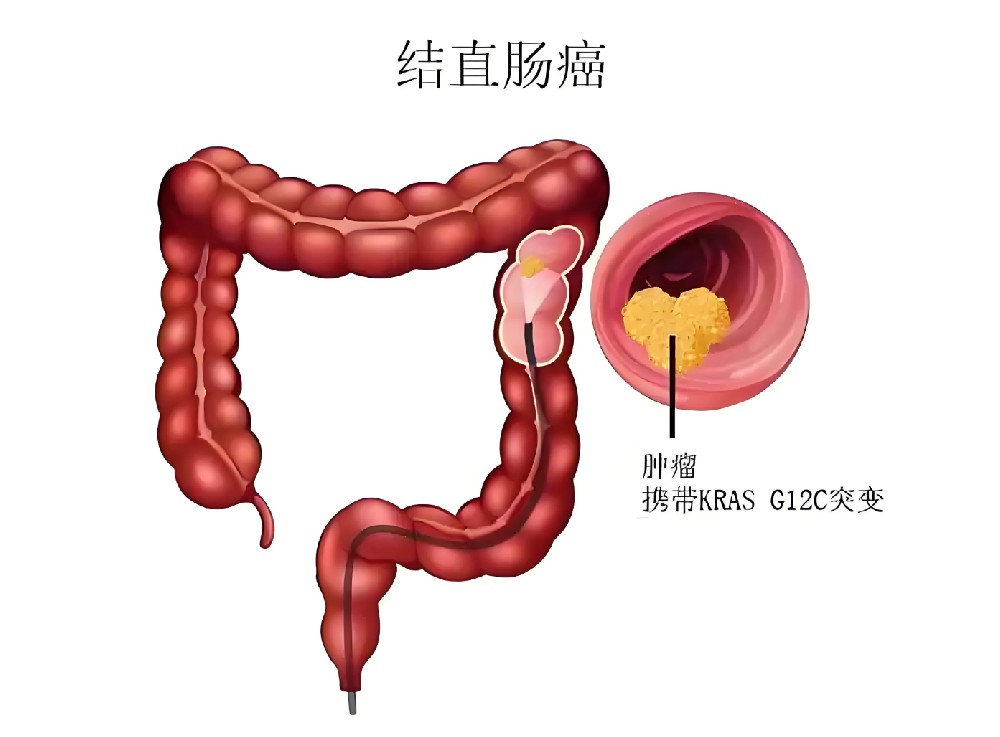
Colon cancer refers to malignant tumors originating in the colon, mostly adenocarcinoma. The pathway from normal mucosa to adenoma to carcinoma is long (5-15 years), providing a window for early screening and prevention. Right-sided and left-sided colon cancer often present differently clinically.
Main Causes
Diet and lifestyle: High-fat, high-protein, low-fiber diet, excessive intake of processed and red meat, obesity, lack of exercise, smoking and drinking.
Precancerous lesions: Adenomatous polyps (especially villous/large/multifocal), inflammatory bowel disease (ulcerative colitis, Crohn's disease).
Genetic factors: Familial adenomatous polyposis, Lynch syndrome, etc.
Age and family history: Peak incidence in middle-aged and elderly; first-degree relatives have doubled risk.
Common Symptoms
Changes in bowel habits: Diarrhea, constipation, increased frequency, or alternating patterns.
Bloody stools or mucous bloody stools, thin or flat stools, incomplete evacuation/tenesmus.
Abdominal pain, bloating, abdominal mass.
Advanced stage: Anemia, weight loss, fatigue; intestinal obstruction; signs of distant metastasis.
Classification and Staging(AJCC TNM)
Gross types: Polypoid, ulcerative, infiltrative, etc.
Histology: Adenocarcinoma, mucinous adenocarcinoma, signet ring cell carcinoma, etc.
TNM staging: T (depth of invasion), N (number of regional lymph node metastases), M (distant metastasis), classified as stages I-IV.
Diagnosis and Treatment Key Points
Screening:40-year-old and above high-risk populations are recommended for colonoscopy;fecal occult blood and multi-target stoolDNAcan be used as supplementary tools.
Definitive diagnosis: Full colonoscopy biopsy is the gold standard;CT/MRIfor staging evaluation;molecular testing(RAS/BRAF/MSI/MMR/HER2)to guide targeted and immunotherapy.
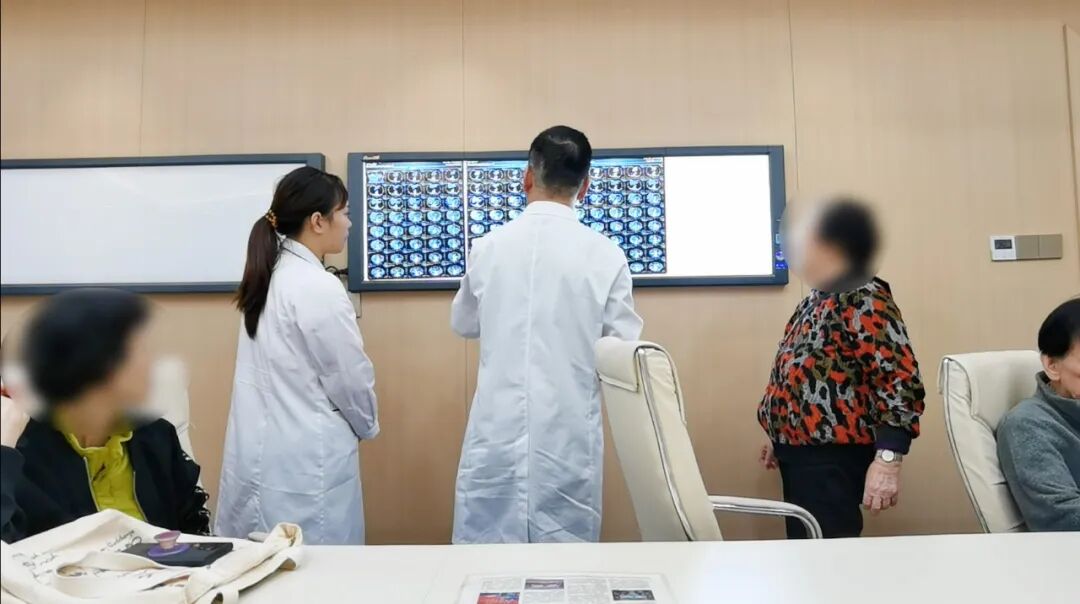
Precision Green Treatment Protocol for Colon Cancer(Minimally Invasive Intervention Combined with Tumor Hyperthermia)
No need for radical surgery, no need to endure the severe side effects of chemoradiotherapy — colon cancer treatment has entered a new era of precision and green therapy. — Minimally Invasive Intervention Combined with Tumor Hyperthermia, with ‘minimally invasive and non-invasive combination, precision tumor killing, and gentle body protection’ as its core, providing colon cancer patients,(especially those with mid-to-late stage disease, post-surgical recurrence, or elderly and frail patients unable to tolerate traditional treatment,)with more humanistic diagnostic and treatment options.
Minimally Invasive Interventional Treatment, using a fine needle for precise puncture directly to the colon lesion, through local targeted drug delivery, iodine-125 125 seed implantation, and other methods, precisely killing tumor cells and blocking the blood supply to the lesion, with only a needle-puncture woundsize, minimal bleeding, fast recovery, no general anesthesia needed, maximally preserving the patient’s physical function, and avoiding intestinal damage and postoperative complications associated with traditional surgery.
Combined withDeep Tumor Hyperthermia, using a green, non-invasive physical thermal technology that precisely targets colon tumor tissue, continuously suppressing tumor growth with sustained high temperature and disintegrating cancer cells, while activating the body’s own immune function. It relieves colon cancer-related symptoms such as abdominal pain, bloating, and bloody stools, with no obvious toxic side effects throughout the process, making it a gentle option suitable for elderly, frail, and recurrent/metastatic patients.
The two work synergistically to achieve ‘local precision tumor killing + and systemic gentle body protection’ dual effects — rapidly controlling lesion progression and shrinking tumors, while alleviating patient suffering and improving appetite and mental state, avoiding the nausea, hair loss, bone marrow suppression, and other problems of traditional chemoradiotherapy, helping patients achieve ‘high-quality coexistence with tumors,’ balancing therapeutic efficacy with dignity of life, making colon cancer treatment easier, safer, and more efficient.
Prevention and Follow-up
Increase dietary fiber and fruit/vegetable intake, reduce processed and red meat, control smoking and alcohol, maintain exercise and healthy weight.
Remove discovered adenomas and undergo regular colonoscopy follow-up.
After radical treatment, follow up with CEA and imaging every 3-6 months for 2-3 years, then gradually extend intervals. Long-term follow-up is recommended.